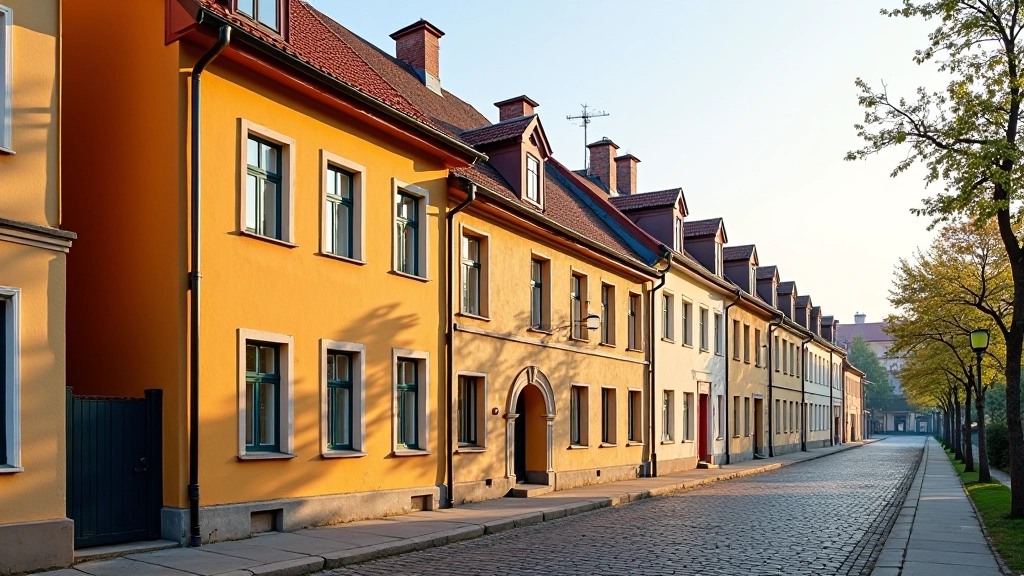
Hidden Gems in Pārdaugava Backstreets
Discover lesser-known streets and courtyards across the river where original wooden architecture still stands. Includes bench locations and places to rest along the way.

Beyond the Main Routes
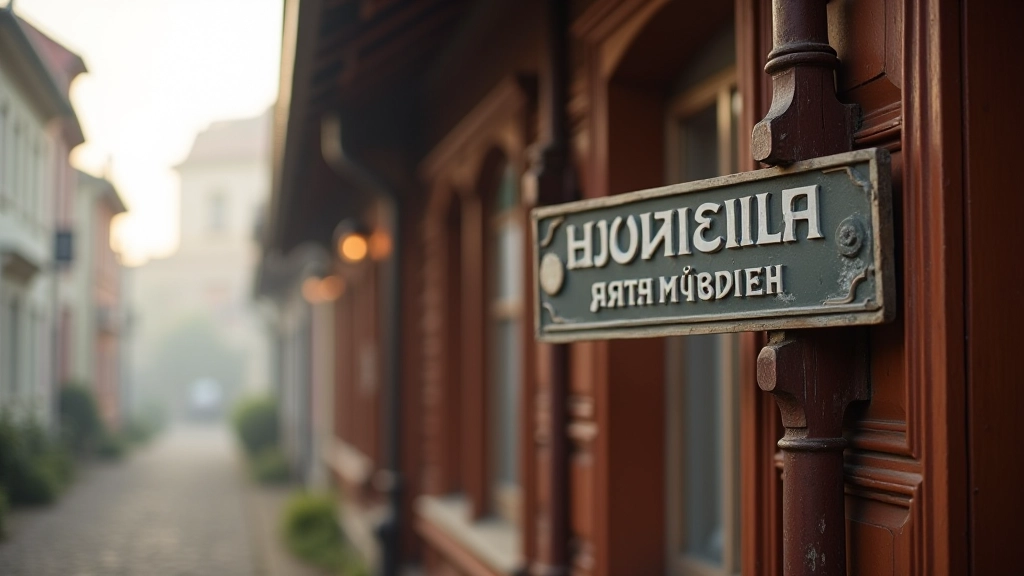
Most visitors stick to the familiar streets, but Pārdaugava's real character lives in the quieter backstreets. You'll find buildings here that haven't changed much since the 1890s — narrow lanes with decorative wooden facades, deep courtyards with connecting passages, and peaceful spots where you can actually sit and observe the neighborhood.
The thing is, walking these areas isn't just about looking at old buildings. It's about understanding how people lived — how families used shared courtyards, why certain architectural details were placed where they were, and how a district that was once working-class housing became one of Europe's most valuable wooden neighborhoods.
Pro tip: Wear comfortable shoes with good grip. The original wooden sidewalks and cobblestones can be uneven, especially after rain. We've included bench locations throughout this guide so you can rest whenever you need to.
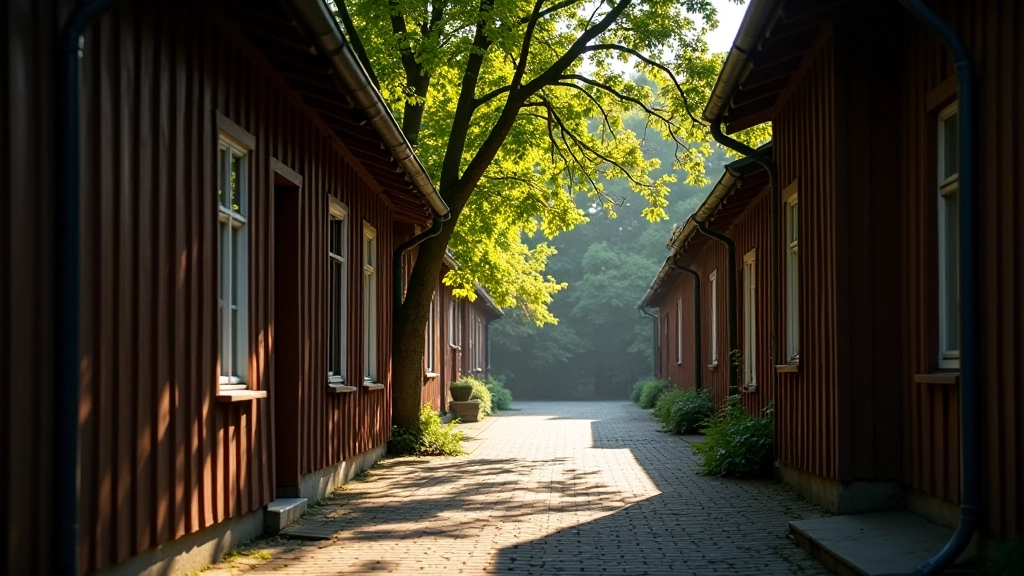
Three Essential Backstreet Routes
Route 1: Merķeļa-Stūrīša Loop
Start at Merķeļa iela 1 and walk toward Stūrīša iela. This 800-meter stretch has some of the best-preserved facades in the district. You'll see intricate carved window surrounds and original paint colors that've been restored. There's a bench at the intersection of Merķeļa and Kalniņu — it's shaded by a massive oak tree and gets quiet by mid-morning.
Route 2: Brīvības Courtyard Path
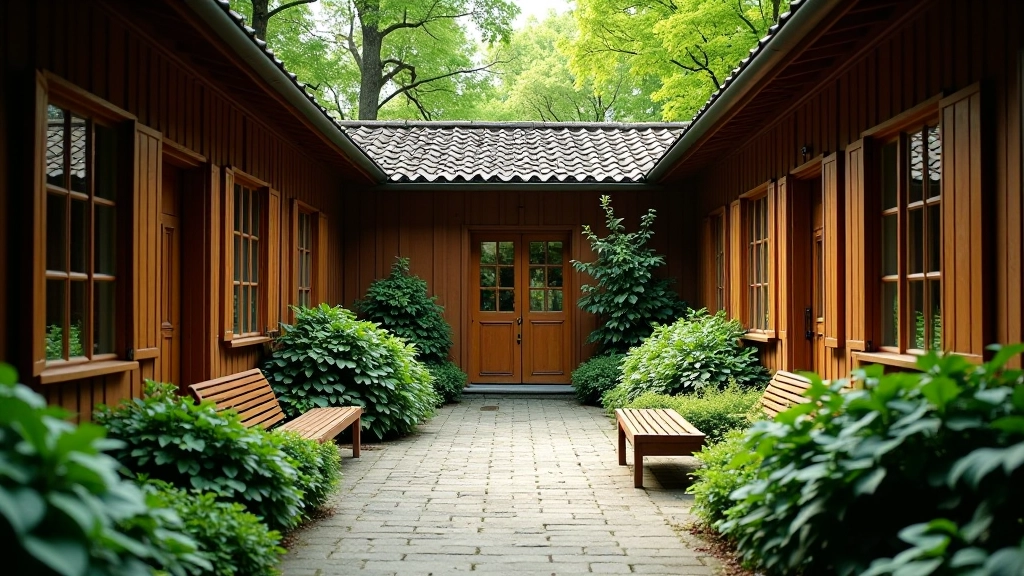
The Brīvības iela backside (between Merķeļa and Skolas) has connecting passages that link private courtyards. You can walk through three different courtyards without leaving the neighborhood. Each one's got its own character — one has a restored brick well, another has heritage apple trees. Walking time: about 20 minutes with stops.
Route 3: Kugu-Krasta Waterfront Connection
Head toward the Daugava riverfront along Kugu iela. This quieter route connects the backstreets to the water and offers completely different views of the wooden buildings from the riverside. The lighting here is spectacular in late afternoon. Two benches overlook the river — perfect spot to rest before heading back.
What to Actually Look For
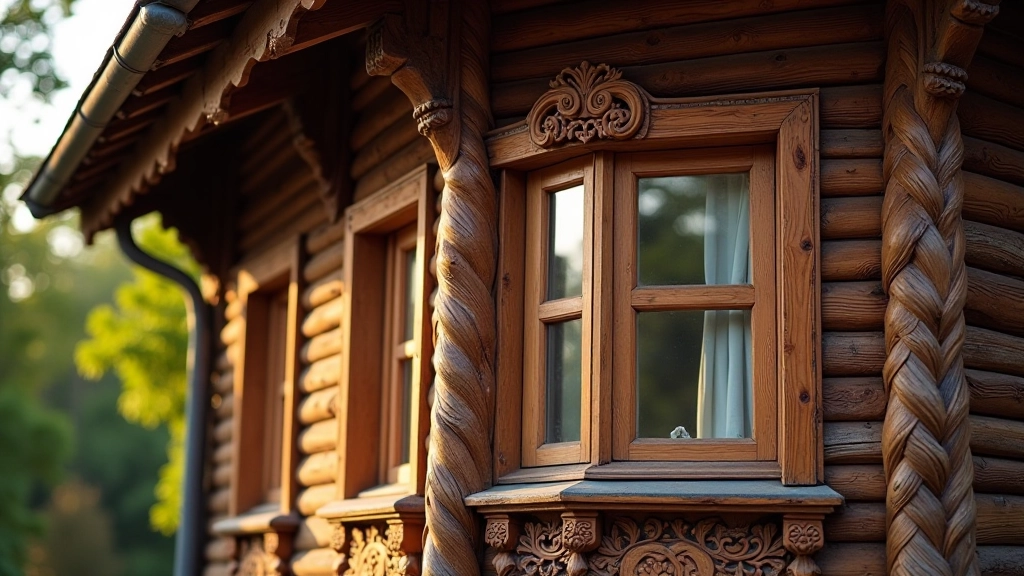
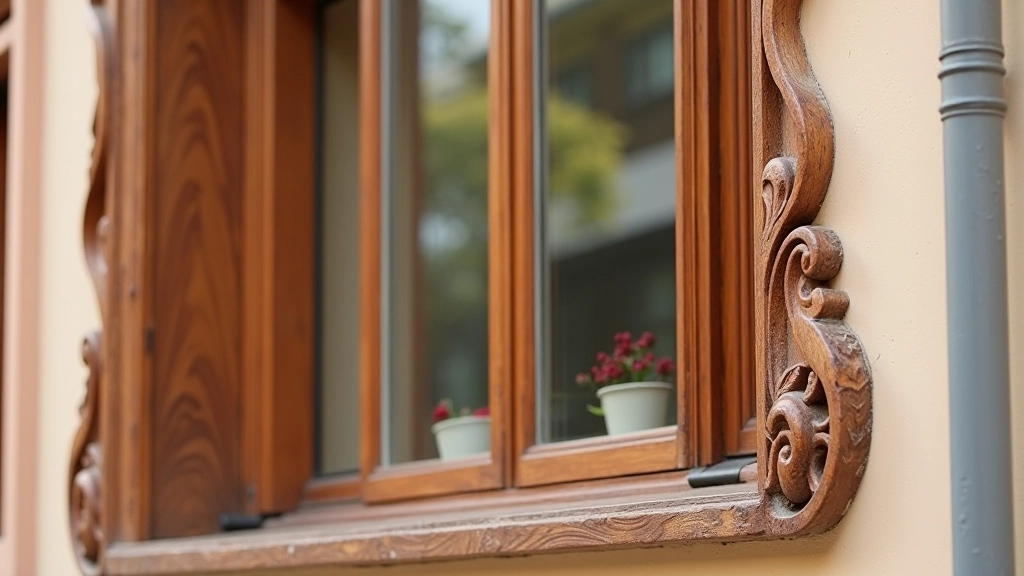
Don't just walk and observe passively. These buildings tell specific stories if you know what to notice. The carved ornaments above windows? They're not random. They represent the builder's wealth and the period when the building went up. A five-row window surround with detailed rosettes? That's 1880s-1900s craftsmanship. Simpler geometric patterns? More likely 1920s-1930s.
Color matters too. Original Pārdaugava buildings used specific paint combinations — deep greens with cream trim, burgundy with gold accents. When you see a building painted in these original colors, you're looking at authentic restoration work. It's not the faded versions you'll see on less-maintained buildings.
Carved Window Surrounds
Look for the intricate wooden frames around windows. Pārdaugava has at least 8 distinct carving styles across its 2,000+ buildings.
Roof Lines and Gables
The shape of the roof edge tells you about the building's era and the builder's resources. Curved gables are earlier; stepped gables came later.
Courtyard Passages
Many buildings have passages connecting to inner courtyards. These were essential for daily life — water sources, washrooms, storage. Some are still accessible.
Rest Points & Practical Information
Walking Pārdaugava backstreets isn't strenuous, but it does require stopping frequently to look up and notice details. That's actually ideal — it naturally breaks up the walk into manageable segments. We've mapped out quiet benches and rest spots throughout the district.
Rest Point 1
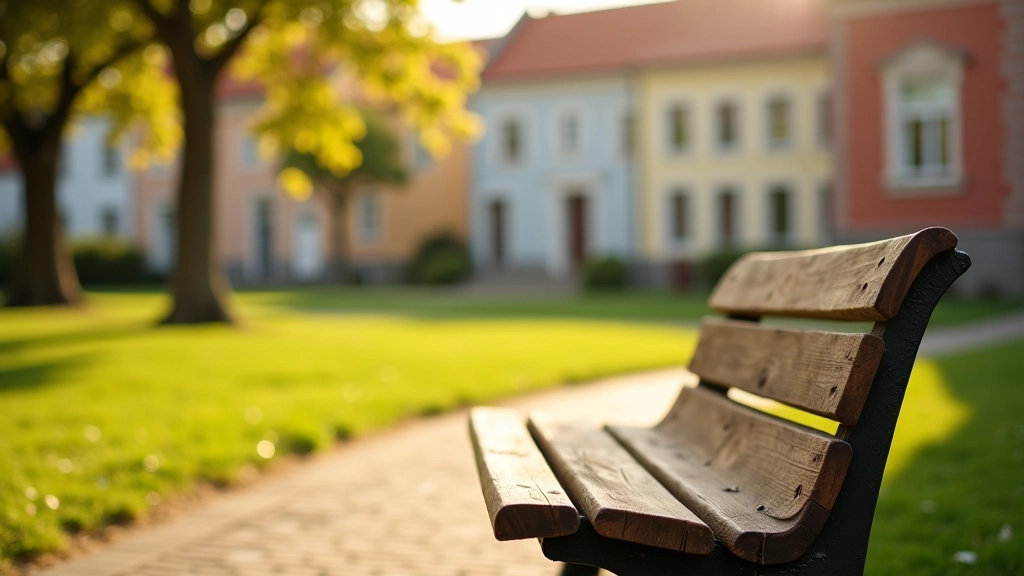
Merķeļa & Kalniņu intersection: Shaded bench under oak tree. 5-minute walk from Daugava tram stop. Good spot for water and reflection.
Rest Point 2
Brīvības courtyard passage: Bench inside a protected courtyard with restored well. Quiet, sheltered from traffic noise. 10 minutes from Point 1.
Rest Point 3
Kugu iela riverside: Two benches overlooking the Daugava. This is where you can see the entire wooden district from across the water.
Before You Go
- Best time to visit: May through September. Spring and fall offer comfortable temperatures and fewer tourists.
- Bring water. Pārdaugava doesn't have many cafés in the backstreets themselves. The district is quieter than that.
- Plan 2-3 hours for a full walk with stops. You don't need to rush — the buildings aren't going anywhere.
- Photography is best in morning (6-9 AM) or late afternoon (4-7 PM). Midday light washes out the architectural details.
About This Guide
This article provides informational guidance for exploring Pārdaugava's wooden architecture on foot. Information about rest spots, walking times, and route details is based on current conditions and is subject to change. Always respect private property — many courtyards and passages are privately owned. Stick to public streets and marked passages. If you're unsure whether an area is publicly accessible, ask locals or contact the Riga Tourism Bureau. Walking routes are suitable for most fitness levels, but some surfaces are uneven. Wear appropriate footwear and proceed at your own pace.
More Than Just Buildings
Pārdaugava's backstreets aren't museum pieces. They're lived-in neighborhoods where people still raise families, run small businesses, and maintain their historic homes. When you walk these streets and stop to really look at the details, you're participating in something that matters — you're paying attention to a piece of cultural heritage that's increasingly rare in Europe.
The carved window surrounds, the restored courtyards, the original paint colors — they're all maintained by people who care about preserving something real. By visiting thoughtfully, photographing respectfully, and understanding the history, you're contributing to why these neighborhoods stay important.
Ready to Explore More?
Learn about the architectural styles you'll encounter and the history behind Riga's wooden districts.
Architectural Details Guide